Mortgage refused because of spray foam
We remove the foam and supply a completion certificate, before-and-after photos and moisture readings. That documentation is what your buyer's lender needs to reassess and release the mortgage.
Cavity Wall Spray Foam Removal in Barnstaple is the specialist job of stripping failed spray foam out of wall cavities so your property is dry, mortgageable and properly insulated again. Union Trust Spray Foam covers Barnstaple, Bideford, Ilfracombe and the wider Devon area, working on timber-frame and solid-wall homes from Pilton to Roundswell. If foam was pumped in years ago and is now trapping damp or blocking a sale, we take it out cleanly and dispose of it legally.

Cavity Wall Spray Foam Removal in Barnstaple means cutting out injected polyurethane foam from the wall cavity, then cleaning the void so the original build-up of mineral wool or air gap can do its job. Foam pumped into a cavity in the 2000s and 2010s often sets hard around the wall ties and timber, holding moisture against the structure instead of letting it drain. We use a spray foam removal saw and oscillating multi-tool to cut the foam back, an industrial vacuum to pull debris out, and a thermal imaging camera to confirm the cavity is clear before we close up.
Most Barnstaple call-outs start with the same story: a surveyor flags spray foam on a mortgage valuation, or a homeowner notices condensation on internal walls that never used to be there. Cavity wall insulation removal Barnstaple Devon jobs are common in the older terraces around Newport and Sticklepath, where foam was retro-fitted into narrow cavities that were never designed for it. If you are searching for cavity wall foam extraction near me Barnstaple, the fix is the same: strip it, dry the wall, and reinstate proper insulation.
Every cavity wall extraction job comes with the survey, the removal, the cleanup and the paperwork. Here is exactly what is covered in the price, and what we would quote separately if your property needs it.
We inspect the walls with a moisture meter and thermal imaging camera, identify the foam type, and check wall ties and timbers. You get a written report and fixed price before any work starts.
Foam is cut out using a spray foam removal saw and oscillating multi-tool, with an industrial vacuum pulling debris out as we go. Negative air machines and air scrubbers keep the dust contained throughout.
After extraction we vacuum the cavity, clear residual foam and confirm the void is dry and free of debris. Any damaged wall ties or timber are photographed and reported in writing.
We close the access points we cut and match the brickwork or render as closely as possible. On older Barnstaple properties we take extra care to blend the repair with the existing finish.
You receive a clearance certificate, before-and-after images and a moisture reading log. This is the pack mortgage lenders and surveyors ask for when reassessing a property.
All removed foam is bagged, labelled and disposed of through licensed waste routes. We handle the paperwork so you are not left with a skip full of foam on your driveway.
We visit, drill a small inspection hole if needed, and run a moisture meter and thermal imaging camera over the walls. You get a fixed price the same day, usually within 24 hours of the call, with no charge for the survey.
On the day, we sheet floors, seal doorways and set up a negative air machine and air scrubber so dust and foam particles stay contained. Expect the work area to look like a proper controlled site, not a building site.
We cut access points at intervals along the wall, then strip the foam with a spray foam removal saw and oscillating multi-tool. An industrial vacuum pulls the debris straight out. A typical three-bed semi takes one to two days.
Once the bulk is out we clear residual foam, check wall ties and timber with the thermal camera, and confirm the cavity is dry and clear. Any damaged ties get flagged in writing with photos.
We close the access holes, match the brickwork or render as closely as we can, and hand over a completion certificate with before-and-after images. That paperwork is what your lender or surveyor will ask for.
Purpose-built equipment, used by trained technicians — so the job is done accurately the first time.
Cuts through cured polyurethane foam inside the cavity without damaging the surrounding masonry or wall ties.
Used for precision cutting around wall ties, lintels and awkward corners where a saw will not reach.
Pulls foam debris and dust straight out of the cavity as we cut, keeping the void clean and the room dust-free.
Maintains negative pressure in the work area so foam particles and dust cannot escape into the rest of the house.
Confirms the cavity is clear and dry after extraction and reveals cold spots or hidden moisture behind the inner leaf.
Measures water content in walls and timbers before and after extraction, giving you documented proof of the improvement.
Standard on every job. Foam dust and isocyanate residue are handled with full respiratory and skin protection.
A three-bed terrace in Newport had closed cell foam pumped into the cavity in 2011. The buyer's lender refused the mortgage and the sale stalled for six weeks. Damp patches had started appearing on the front room wall.
We stripped the foam over two days, cleared the cavity and supplied a completion certificate with photos and moisture readings. The lender reassessed within ten days and the sale completed. Moisture readings dropped from 22% to 11%.
A homeowner in Sticklepath had lived with damp patches and a musty smell for four years. The cavity was full of open cell foam that had been injected in 2008 and was holding water against the inner leaf. Two surveyors had failed to identify the cause.
We removed the foam in a day and a half, vacuumed the cavity and confirmed it was dry with a thermal imaging camera. Within three weeks the internal wall had dried and the smell had gone. No further damp has returned.
A landlord with two rental properties in Roundswell needed the foam removed before remortgaging. Both homes had foam injected in the 2000s and the lender had flagged it as a risk on the valuation.
We removed foam from both properties over four days, working between tenancies. Each property received its own certificate and photo pack. The remortgage completed without further questions and both homes are now documented as foam-free.
Spray foam in a cavity causes a short list of expensive problems, and they rarely fix themselves. Here are the ones we see most often across North Devon.
Ask a pro →We remove the foam and supply a completion certificate, before-and-after photos and moisture readings. That documentation is what your buyer's lender needs to reassess and release the mortgage.
Extraction reopens the drainage path and lets the wall dry. We check the cavity with a thermal imaging camera after removal and confirm the void is clear before closing up.
We strip the foam, inspect the timber and report any rot with photos. Catching it early means the timber can be treated rather than replaced.
Once the cavity is clear we can reinstate mineral wool or leave the void to breathe, depending on the build. Either way the wall performs as designed again.
Typical 2026 pricing in Barnstaple runs £1,800 to £4,500 for a standard house, depending on wall area and foam type. A three-bed semi usually sits around £2,400 to £3,200. Access, scaffolding and the amount of closed cell spray foam in the cavity are the main variables. We give you a fixed price after a free survey, so you know the number before we start.
Yes. We remove open cell and closed cell spray foam from cavity walls across Barnstaple and the whole of Devon, including timber-frame and solid-wall properties. The foam is cut out, the cavity is vacuumed clean, and we check wall ties and timbers before closing up. You get a completion certificate and photos for your lender or surveyor.
It is dusty work, but we contain it. We sheet floors, seal doorways and run a negative air machine and air scrubber for the whole job, so foam particles do not spread through the house. Most customers stay home while we work. When we finish, the rooms are hoovered and wiped down, and you would not know we had been cutting into the walls.
A typical three-bed semi takes one to two days on site. Larger detached homes or properties with heavy closed cell foam can run to three days. Add a week or so for the cavity to dry if we are reinstating insulation afterwards. We confirm the schedule at survey stage so you can plan around it.
 Spray Foam Removal near meIf you are searching for spray foam removal near me in Barnstaple, this is the umbrella service. We handle foam in walls, lofts, roofs and attics, and cavity wall extraction is one part of it. One survey can cover the whole property.Explore →
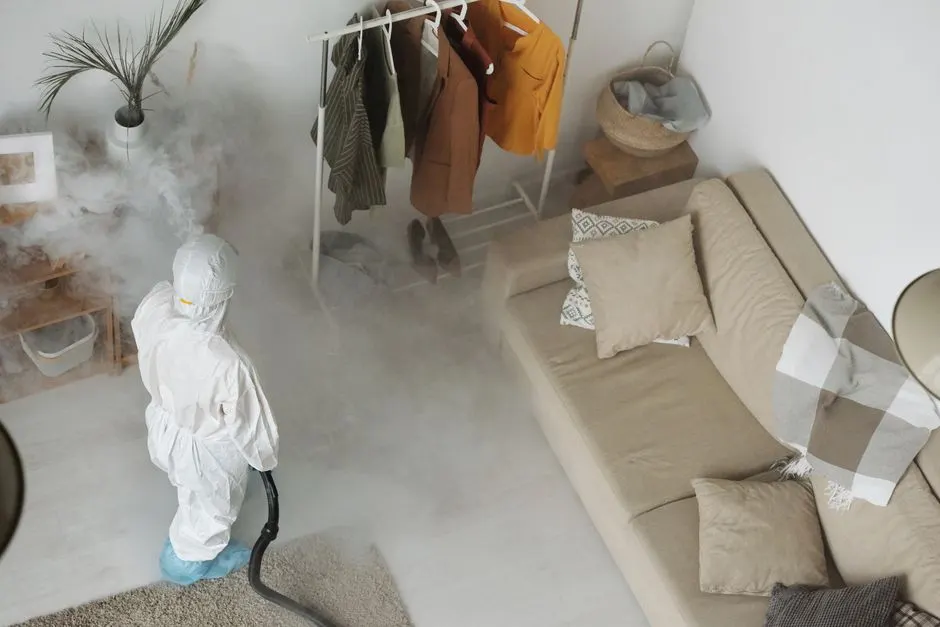 Same day Spray Foam RemovalFor urgent cases, such as a surveyor deadline or a sale about to fall through, we can sometimes mobilise the same day across Barnstaple. Call before 10am and we will tell you honestly whether we can get to you that day.Explore →
 24/7 Spray Foam RemovalOur phone line is open 24/7 for bookings and urgent advice. If foam is causing an active leak or a health and safety issue in a Barnstaple property, call us any hour and we will arrange the earliest possible attendance.Explore →
 Residential Spray Foam RemovalMost of our cavity wall work is on homes, from terraces in Newport to detached houses in Sticklepath. We work around your family, contain the dust, and leave the property clean and mortgage-ready.Explore →
 Commercial Spray Foam RemovalWe also strip foam from commercial premises around Barnstaple, including warehouses and converted agricultural buildings. Commercial jobs are scheduled out of hours where needed to keep your operation running.Explore →
 Loft Spray Foam RemovalSpray foam in a loft often goes hand in hand with cavity foam. If your roof timbers are covered, we remove both in one visit, which saves on access costs and gets the whole property signed off together.Explore →
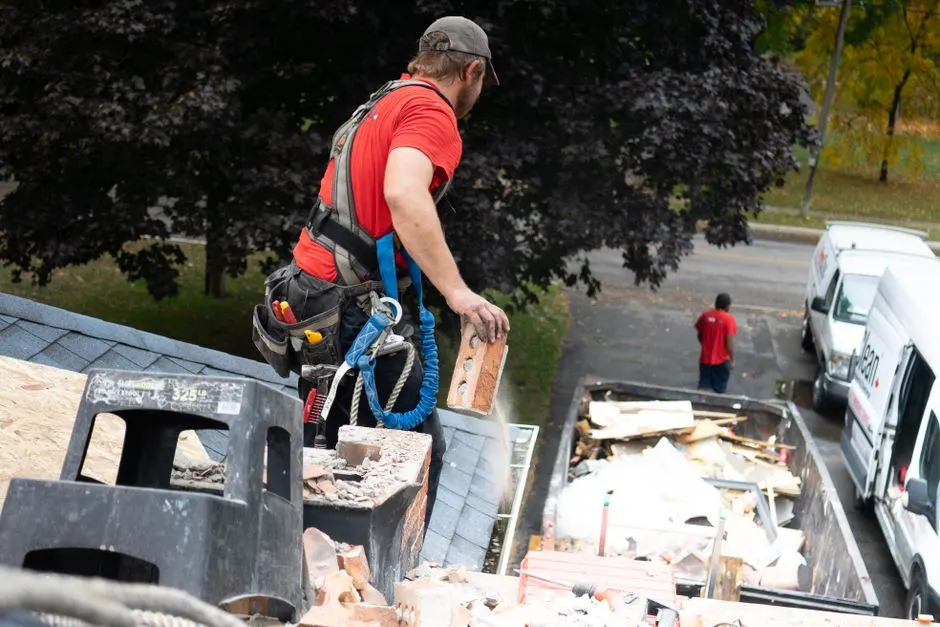 Roof Spray Foam RemovalFoam sprayed directly onto roof timbers traps moisture and drives rot. We strip it back, inspect the timber, and let the roof breathe again. Often booked alongside cavity wall extraction in Barnstaple.Explore →
 Attic Spray Foam RemovalAttic foam removal follows the same careful process as cavity work: contained cutting, vacuum extraction, and a clean finish. We check for roof timber rot while we are up there and report anything we find.Explore →
Free survey, fixed price, and a completion certificate your lender will accept. Call Union Trust Spray Foam on 0127 159 4024 and we will book you in, usually within the week.
Get A Free Survey 0127 159 4024 →Ring us on 0127 159 4024 or email [email protected] and we will get back to you the same working day. We are open Monday to Friday, 8am to 6pm, with a 24/7 line for emergencies. Free assessments across Barnstaple and North Devon.